In 2016, I wrote a series of review articles about the Lumix GX85, Panasonic’s long-awaited update to the GX7 from 2013. The GX7 was a major upgrade from 2011’s GX1, which did not have a viewfinder. The GX-series have always been favorites for photographers like me, who value smaller camera bodies with well-thought-out features. Note that I am excluding the GX8 from this list, as it was a one-off premium model that was both larger and more expensive than the other cameras in this line. Particularly the GX7, GX85 and GX9 may be considered a direct product line – when you observe the Japanese names for these cameras, they are the GX7, GX7 Mark II and GX7 Mark III.
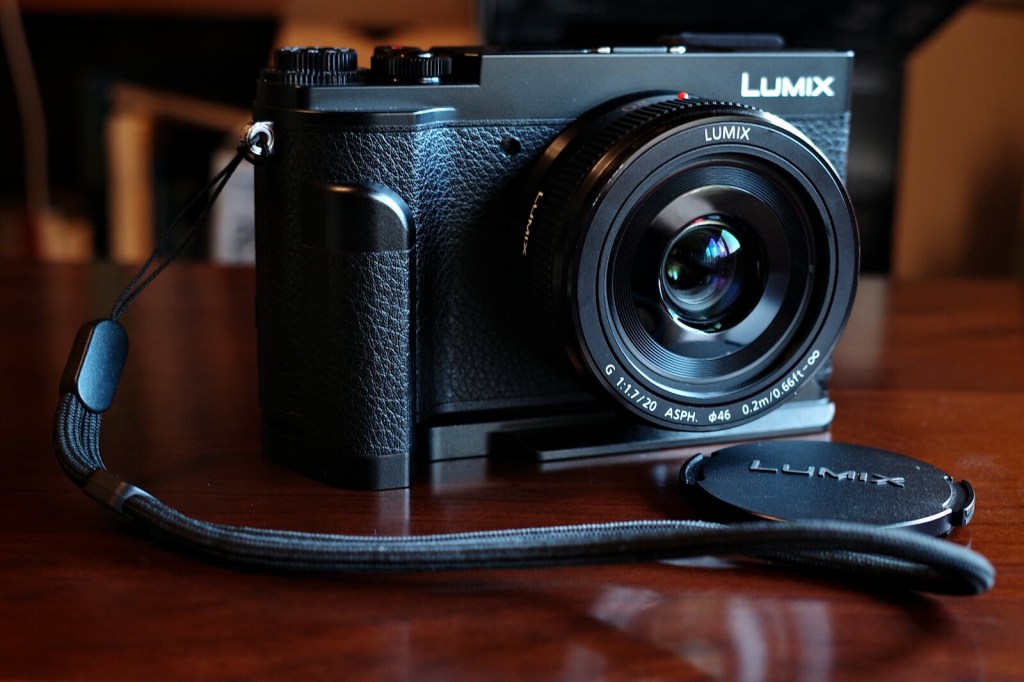
The GX85 was a watershed moment for Lumix cameras. It was the first to offer a new electromagnetic shutter which solved the issue of shutter shock that could rear its head with Panasonic’s Micro Four Thirds line previously. It also redesigned the look and feel of JPEG files, resulting in much more natural color and better detail (it lacked a low-pass filter, which change I found to offer a measurable increase in resolution, albeit a small one). While these changes seemed iterative or relatively minor, they added up to make the files coming from the camera much better and more pleasing, with less tweaking necessary.
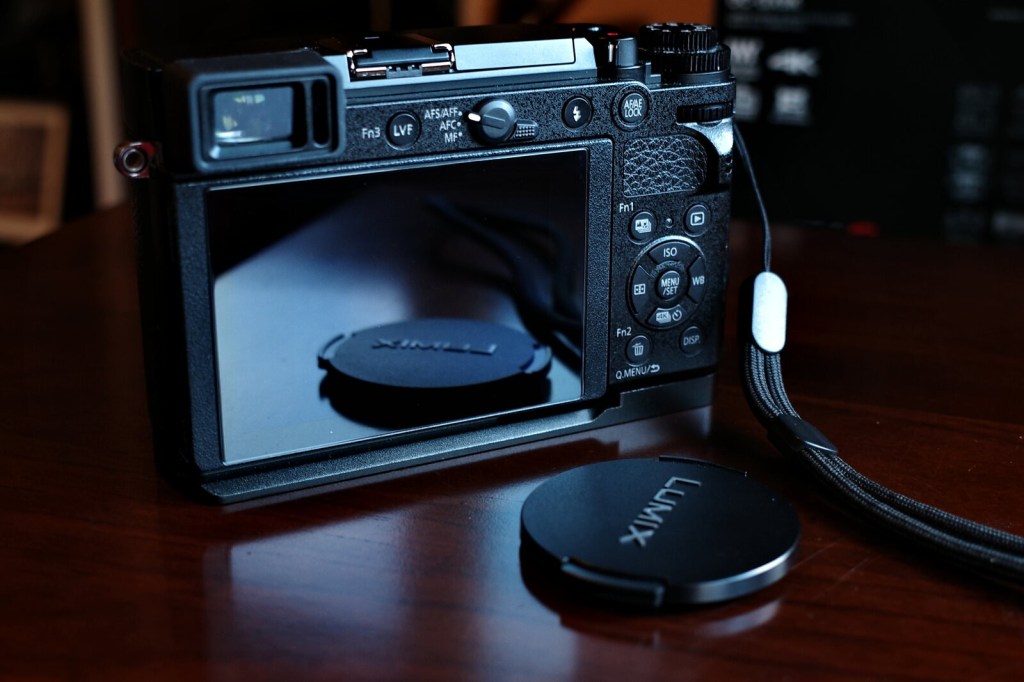
The GX9, following in the footsteps of the successful GX85 (I have not seen product sales numbers, but I have seen more than a few photographers using the GX85, and the used market is fairly strong in 2020), took a more iterative approach. In fact, the only headline changes are the inclusion of the 20MP sensor, which was previously only added to Panasonic’s high-end models, and a tilting EVF, though it’s the same actual EVF display that has appeared since 2013’s GX7. The GX9 is decidedly midrange, with a solid but plastic body, and an electronic viewfinder which lags a lot behind modern standards. Other changes are minor, like a slightly redesigned body, Bluetooth low-energy connection, and a new monochrome JPEG mode, L Monochrome D, with a grain effect.
Specifications may make some photographers excited, but midrange cameras rarely offer the juiciest details, and the proof is in the usage and the results. The GX cameras have always been sort of understated but capable, and the GX9 is no different. But where there’s previously been a few good reasons to upgrade if you had an older model, the GX9 is a bit harder to justify. The 20MP sensor just isn’t enough of a resolution bump, and the changes to the camera body offer added convenience but no monumental improvements.

Of course, in 2020 the GX85 is no longer available new, so if you want to buy a GX camera from a shop or online retailer, it’s going to be the GX9. The GX85 lives on as a very inexpensive used option, and it helps that Panasonic Micro Four Thirds cameras are all very well-built, so they are typically just as dependable used as new. Going forward, I will have a couple more articles devoted to the usage and the image quality from the GX9, not focusing on how these relate to other Micro Four Thirds cameras, but real-world use in the hands of a snapshot photographer.
 The Sprocket Docket