I promised a while back to give a third and final part of my review of the Panasonic GX9, focused on image quality. Truth be told, I hesitated so long because I don’t own the camera anymore. Years of Micro Four Thirds use are behind me, for the time being, as the GX9 was my only M4/3 body, and I had whittled myself down to two lenses, both in the standard range: the venerable Panasonic 20mm f1.7, and the larger Sigma 30mm f1.4. I don’t shoot telephoto much, and the wide end was covered by my Ricoh GR III.

The GX9 has the step-up sensor from its predecessor, the 2016 GX85. However, briefly touching on Panasonic’s bizarre naming conventions outside of Japan, the GX8, released back in 2015, had the same sensor as the GX9. Herein is the problem: the top-end sensor currently available in Micro Four Thirds is at least six years old.
The 20Mp Micro Four Thirds sensor (made by Sony) is a good sensor, if you take everything in isolation. It has good dynamic range for its size, captures good detail – in fact, if you put great lenses like the 20mm and 30mm mentioned above, it captures great detail. But technology has moved forwards since 2015, leaving me frustrated by the lack of upward mobility within the M4/3 system. Maybe I’m just answering the siren call of newer, better gear, regardless of whether I need it… except that I don’t think M4/3 has reached that “good enough” summit yet. There’s still noise at base ISO that interferes with super-clean shots, and dynamic range isn’t as good as it is with newer 14-bit RAW files out of APS-C sensors like the GR III.
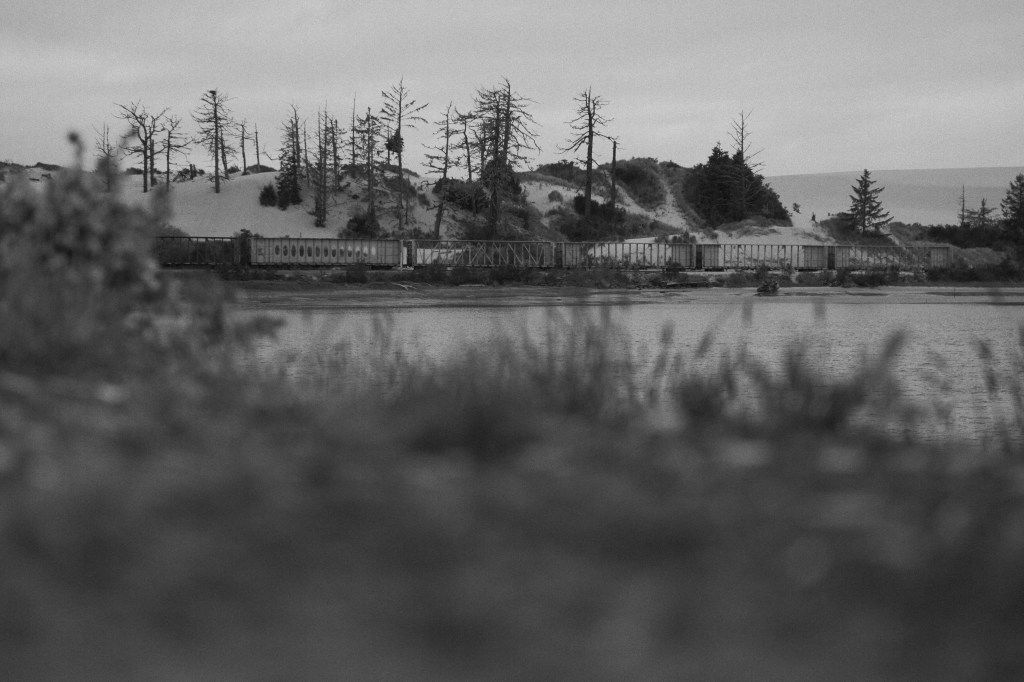
I still believe in the M4/3 system. I think the lenses are the strongest argument for it, along with the potential for fully-featured cameras that are as small as the GX9 (or even smaller). I think it’s overdue for a big step up in sensor technology, and I’ve personally decided to wait it out, and use other cameras in the meantime.

I promised to talk about the GX9 image quality! The little camera really doesn’t deserve to be sidelined by criticism of the overall state of the platform; I think Panasonic did the best they could with where the tech is at. There are things I could criticize further about the hardware (get rid of this old, hard to use EVF!) but I’ve already talked about that. Panasonic has been getting really serious about improving the way images look out of camera. I think they have to, as several manufacturers have been moving the industry forward in that area. Fujifilm is one, obviously the poster child in today’s buzz marketing, but Olympus actually did this earlier than Fujifilm did. Ricoh also puts out some excellent “color science” (to use the buzzword) in the GR line.
Combining decent in-camera RAW editing with good JPEG output is the right move for cameras in this day and age, I believe. There are still plenty of people who only really care about the RAW files, and who edit everything on desktops with costly software, but I am choosing to focus on the JPEGs, more or less, because – as I mentioned above – the 20MP M4/3 sensor has been out long enough, and been talked about long enough. I have nothing to add.
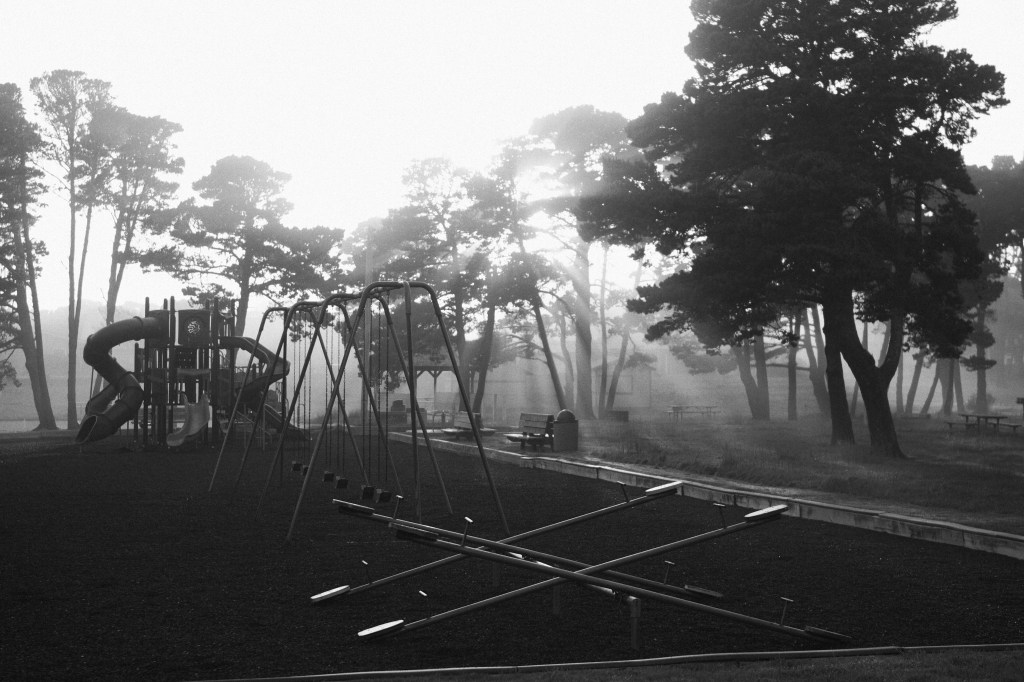
Panasonic used to apply really ugly noise reduction to their JPEG files, but thankfully those days are long gone. I still turn down/off the noise reduction in my cameras, but this is perhaps just an old habit by this point. I am happy that the resulting look, while it may take on some grain in low-light conditions, is pleasing and has a filmic look that many editing apps and JPEG styles are actually aiming for anyway. That’s one strength of the newest processing pipelines with the 20MP sensor. It does tune the noise to look rather pleasing.
Panasonic has a headline JPEG profile that often gets brought up (including by me), the updated L Monochrome D black and white style. It’s made to look a lot like Tri-X in its tones, still more so if you utilize the color filter effects within the profile to add some contrast. My favorite is probably the orange filter, which strikes a balance between natural contrast and the more extreme red filter. There is still the more muted original L Monochrome, which I liked but feel the brighter tones aren’t quite bright enough most of the time. I actually like outdoors shots in L Monochrome with the green filter, for wide differentiation in tones but an overall muted palette.
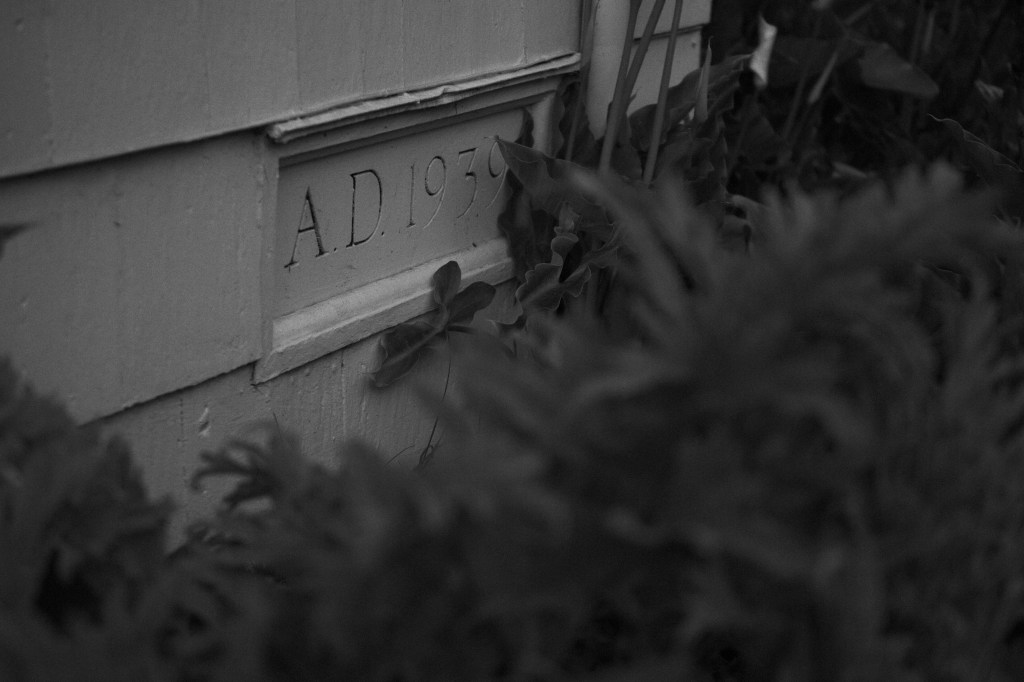
All the black and white goodness aside, however, I find the GX9’s standard color profile looks improved as well. I was surprised to find that toning down the saturation can often result in a look very close to the great early Kodachrome look of photographers like Saul Leiter, who often shot expired film and ended up with saturated, but muted, colors that look terrific. Digital sensors tend to amp up both saturation and contrast, but, unlike analogue films which responded differently to different colors, Bayer filtered sensors offer up a very linear color rendition. This results in some colors being over-represented and throwing off the balance in a scene.
Panasonic’s processing strives to crank contrast and detail out of the 20MP Micro Four Thirds sensor, but in my opinion there is strength in muted tones and overall feel. M4/3 cameras haven’t been good at producing “feel” in the past. But dialing down saturation and contrast in the standard color profile, or contrast and sharpness in the L Monochrome modes, gives some of that elusive style that can take out-of-camera JPEGs to the next level. Black and white modes now also offer a grain setting. It’s easy to go overboard with Panasonic’s grain implementation, but I find the low setting gives a pleasant softness to the image.

All in all, the continued improvements Panasonic is making to their image processing shine in the GX9. It’s almost (almost!) enough for me. The larger G9 does seem to be even a little bit better. For now, I’ve chosen to sit out the rest of the 20MP sensor’s lifetime, mainly just because other sensors, including the one used in Ricoh’s GR III, have for me crossed that threshold to “good enough” for all not only of my needs but my “wants.” But I do miss that 20mm f1.7!
 The Sprocket Docket