Ricoh likes to call GR users “GRists.” If you stumbled over that odd-looking word at first, you’re not alone. It’s part of Ricoh’s overarching marketing strategy for the GR series, and, while it may be a bit awkward in English, it does convey a sort of special quality about GR mainliners. The suffix “-ist” denotes the group of users of this camera, but it also has connotations which are a bit more subtle, but also in some cases fitting. The suffix frequently appears in the titles of professionals, like dentist, psychologist, scientist, novelist. But it’s also commonly found in labels for adherents of a particular belief-set, good or bad. Terrorist, atheist, elitist, extremist. This dual image of someone both exceedingly well-versed in and maybe a little fanatical about a camera on the surface seems weird. But it’s not all wrong.
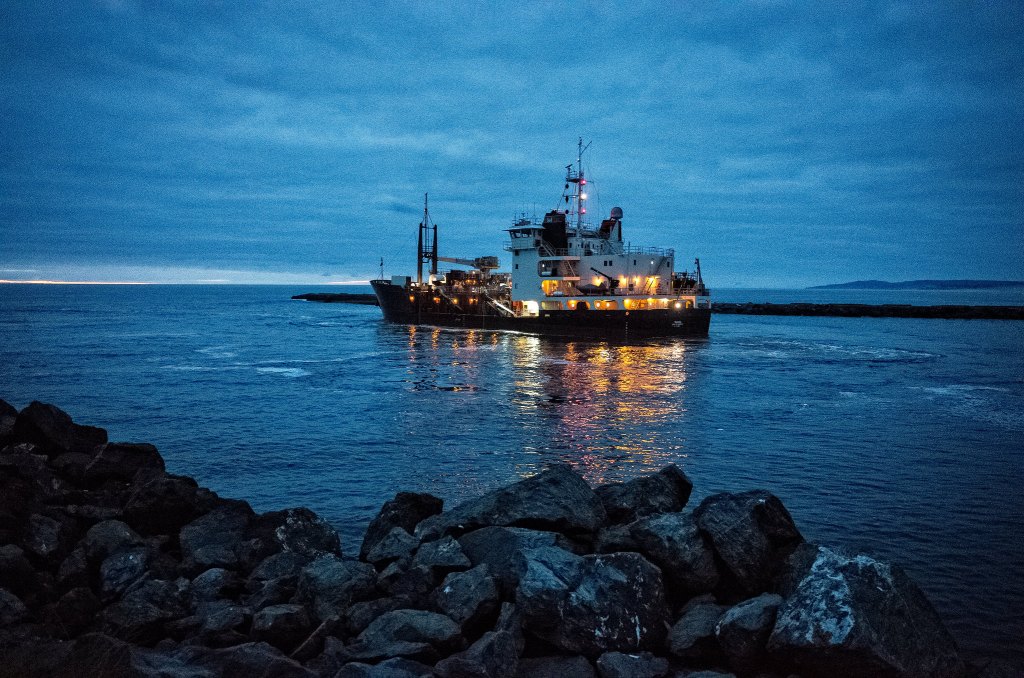
The Ricoh GR series, from the very beginning with their film cameras in the mid-90s, have been designed for a very particular style of shooting: fast, able to be operated one-handed, with a moderate wide angle lens and exceptionally sharp optics with strong fidelity to what the scene actually looks like. They are the quintessential snapshot camera, for recording life right in the thick of things.

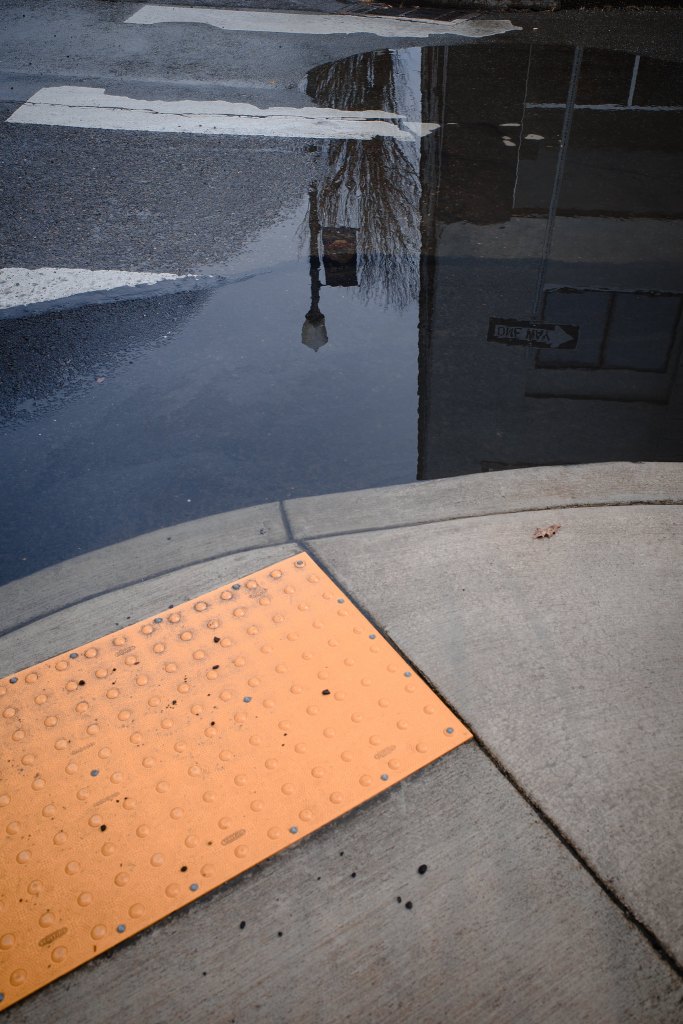
This style of shooting lends itself well to street photography, which is why the GR has a reputation as a street photography camera. It is quite a good choice for shooting the street, but by nature of the wide lens, the photographer does need to get quite close to the subject. Street photography legend Garry Winogrand was master of the 28mm lens on the streets, but it’s interesting to watch how he worked in videos dating from the early 1980s. He had an exaggerated fidgety mannerism with his cameras, such that they were often up at his face, nearly at eye level with the viewfinder, but he would angle the camera, study its settings, and then bring it to his eye and shoot so fast that it was nearly imperceptible. Rarely did people realize they had been captured as they went about the crowded streets where he worked. Getting so close, especially in the modern day when people are hyper-aware of the presence of cameras, smartphones and the potential of being filmed, can be intimidating and open the photographer up to potential confrontation.

The 28mm equivalent lens on the GR, however, also possesses the ability of this focal length to “push and pull,” to make more distant subjects appear farther away and smaller in the frame, and to “pull” closer subjects into more prominence in the frame. This can be frustrating if not taken into account, but if you use it as a tool in composition, it allows the lens to really shine, providing more artistic opportunities than the seemingly wide and bland field of view would suggest.
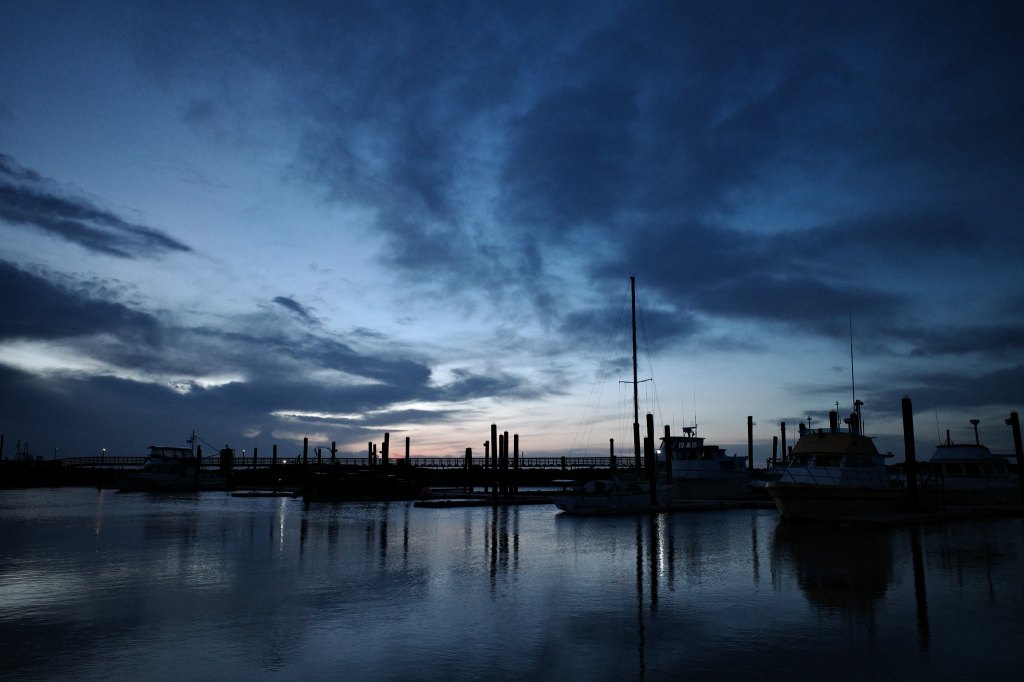
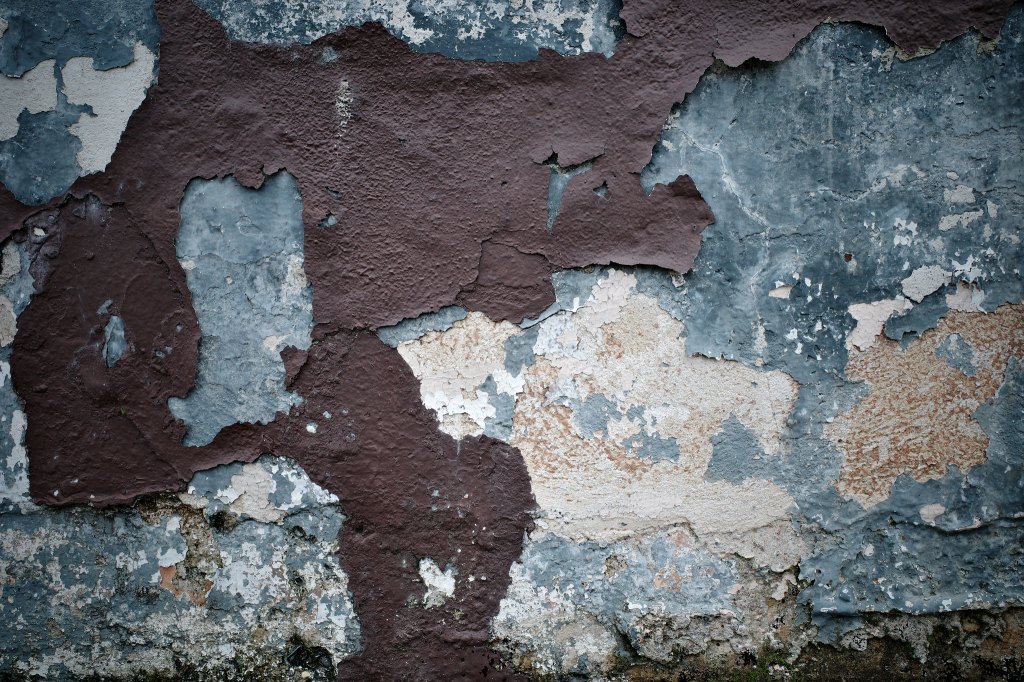
This versatility inherent in the focal length combines with the excellent close-up qualities of the GR’s lens, including its macro mode. Many GRist’s shots are of detail in close-up, small subjects, such as flowers, implements of daily, almost ritual, use, and interesting textures and intricacies found in the world around us. In my past experience, it can be very easy to forget about these opportunities as a photographer. Early on we find a wealth of potential all around us, and are eager to see what the world looks like photographed. But as time progresses, we tend to aim for more dramatic, arresting or expansive photography (often to fit into the “popularity photography” of internet photo sharing sites) and forget about the humbler sources of inspiration. The GR encourages the user to find these opportunities and capture them, since it’s fast and discreet to deploy. It takes very little effort to get a photograph of something that catches the eye, and more often than not the camera renders the results in such a pleasing way that I look forward to doing it again. Before long I discover that it has become a habit.
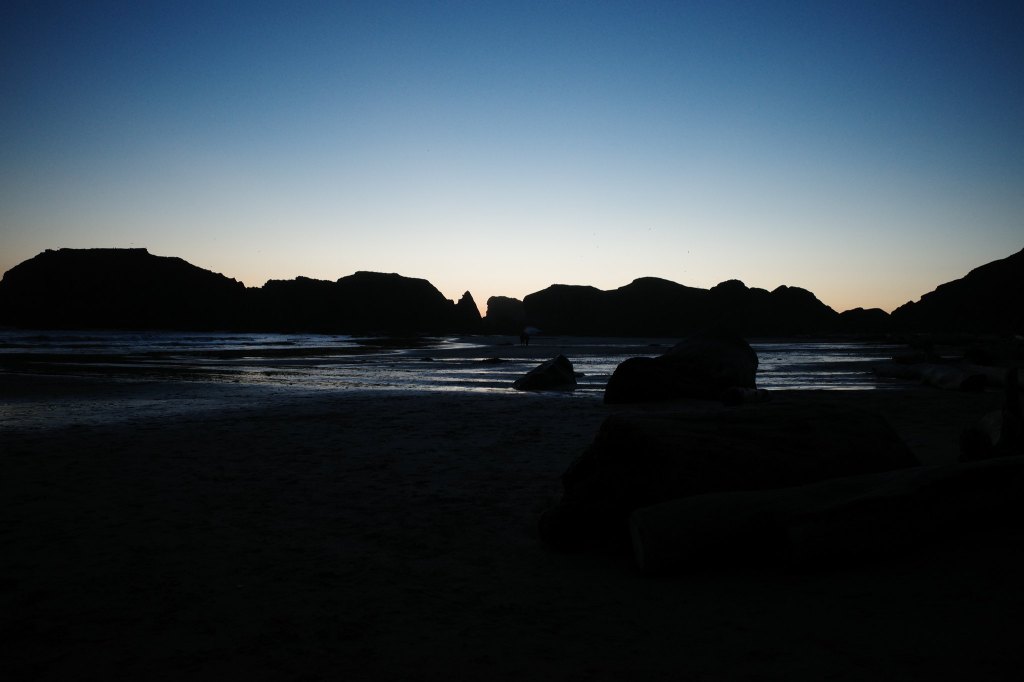
Of course, the lens is also good at taking in expansive vistas, being wide enough to capture a lot of scenery. The camera’s JPEG modes provide several unique and very nice treatments of landscape photography, from the strong contrast and color of Positive Film to the infrared look of the Hard B&W. the optic is as good at rendering distant detail as close-up.
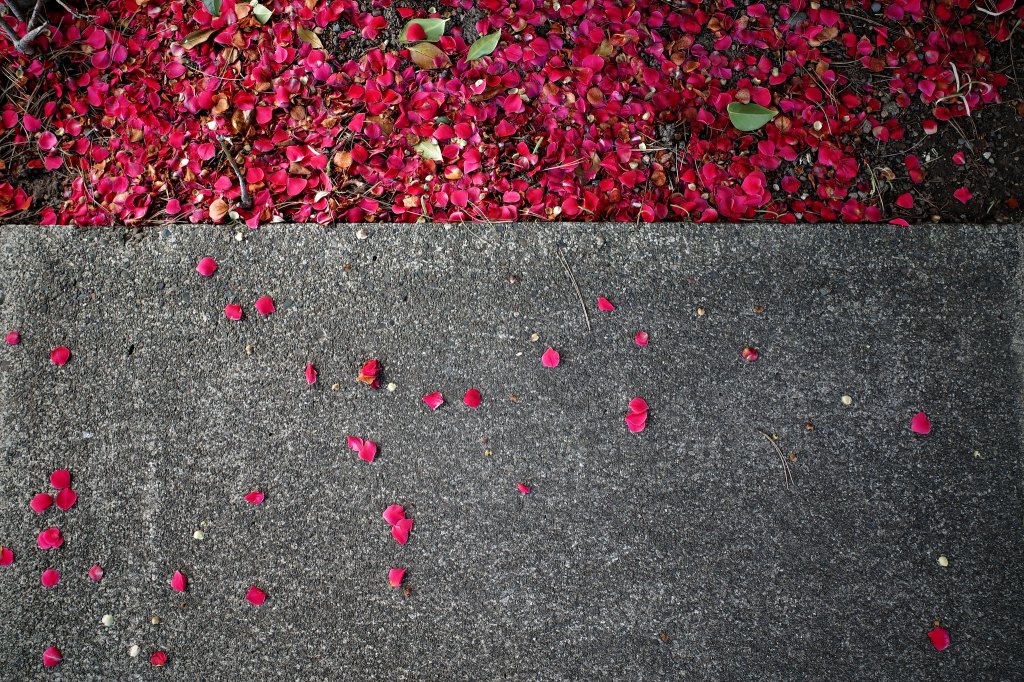
For many, the concept of a snapshot camera is a cheap compact camera which is capable of taking shots which are not carefully planned out, typically with either fully automatic exposure, fixed focus or some other compromising factor which means that the photos produced are not quite as good as they could be. Typically this is not a problem, since the photos are lighthearted and only intended to capture a memory. The GR can take those sorts of pictures as well – but with such fidelity that it encourages the photographer to go further, to capture detail and color in a way that cheerful “Lomography” (as the low-fi photo movement is called) cannot hope to match.
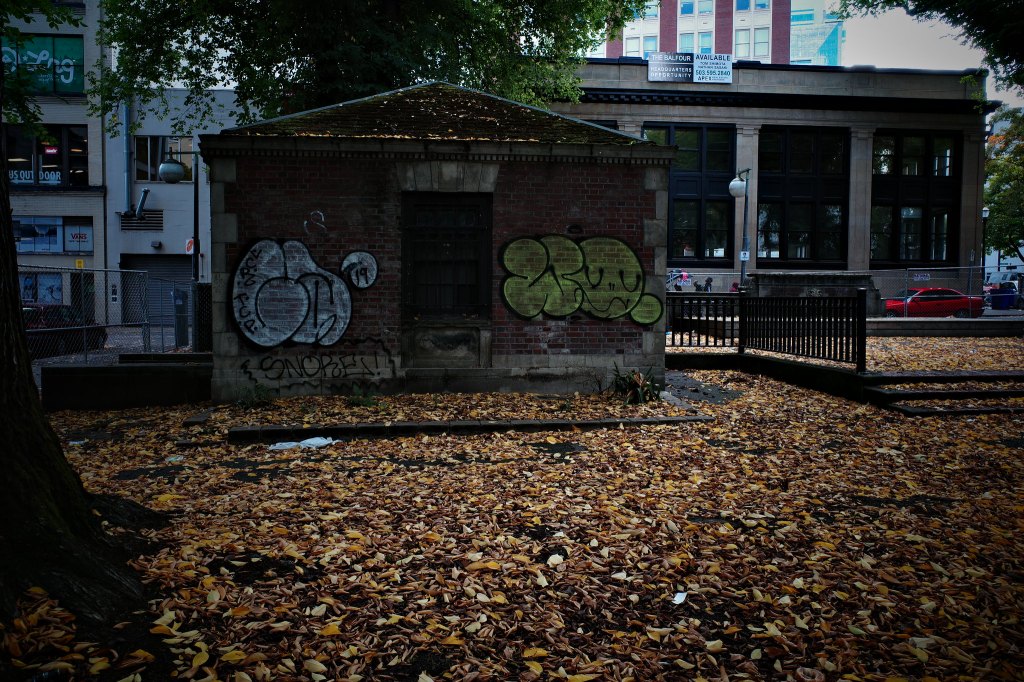
The snapshot genre is not devoid of examples of similar style. Stephen Shore made similar photographs, images which could be called snapshots save for the fact that they were made with large format cameras on tripods, with careful exposure to make the most of the lighting conditions. But the GR takes that kind of imagery into your pocket, no tripod required. Its highlight-weighted metering allows for easily being careful to capture light at its best, and the image quality of the lens and sensor brings out every detail with uncompromised fidelity. Because it goes everywhere with me, I take the shot more often than with any other similar camera. A constant companion, it becomes easy to understand how a “GRist” could be just a bit of a fanatic.
 The Sprocket Docket
Great article, Andrew.
And the photographs you posted and included here are… quite amazing.
The tones, the light, the shadows… well, everything.
I’m going to revisit this just to look at them some more.
You are really getting a lot out of this camera.
LikeLike