In a previous post, I theorized about the Ricoh GR IIIx before it officially made it to online retail sites. Given I have a longstanding affinity for the 40mm field of view, I was very excited by the announcement, and got my hands on one as soon as I could. Now that I’ve had it for a little while, I think it’s time to put some thoughts down here. While I’m calling it a review, it’s really a review of the lens. Because why? Well, because the GR IIIx is exactly the same camera as the GR III. I mean, to describe any difference at all, we have to talk about the fact that the front rings don’t match, since the lens barrel surround is a whole three millimeters deeper. One thing which has surprised me about the online buzz surrounding this camera is that quite a few people have asked questions about certain features of the camera, like, oh, I don’t know, autofocus speed, dust resistance – the recurring complaints which crop up regarding the GR III. The bad news is, this is a GR III, full stop. That’s also the good news.
So let’s get to the lens. 26.1mm f2.8, with 7 elements in 5 groups, 2 aspherical elements. that’s one additional element/group over the GR III. Ricoh’s GR development team mentioned that they focused on making the lens as optically good as possible, not wanting to rely on digital corrections (which are quite common these days, especially in compact lenses) but to make an optical formula that’s as optically perfect as possible. This makes a real difference when editing RAW files, and it’s noticeable. Not that I ever had problems with the GR III lens, but objectively that lens rendered a tiny bit soft (at least compared to the biting sharpness of the GR/GR II) and vignetted quite heavily. I don’t mind either of these characteristics. The GR III files sharpen up nicely, and the vignette could be artistically pleasing (I’m one who likes a good vignette, cheesy as that may be. When I can get one naturally through optics instead of artificially in post-processing, I feel better about featuring it in a photo). But, optical imperfections can be a lot worse: we’re talking green and purple fringing, distortion, that sort of thing. As a longtime Micro Four Thirds shooter, I’m faced with the fact that many of their more compact lenses rely on digital, rather than optical, corrections to avoid ugly things like these from showing up. This means that, if you are editing a RAW file, you may need to manually correct the imperfections that the camera otherwise never lets you see. The better that imperfections are corrected optically, the fewer of them will ever make it through the optical path to the sensor, and therefore the less you’ll ever have to worry about them. Often, correcting imperfections optically results in extra lens elements, increasing the size and weight of the lens. This is one reason “pro” grade lenses are big and heavy. They put out really, really good images.
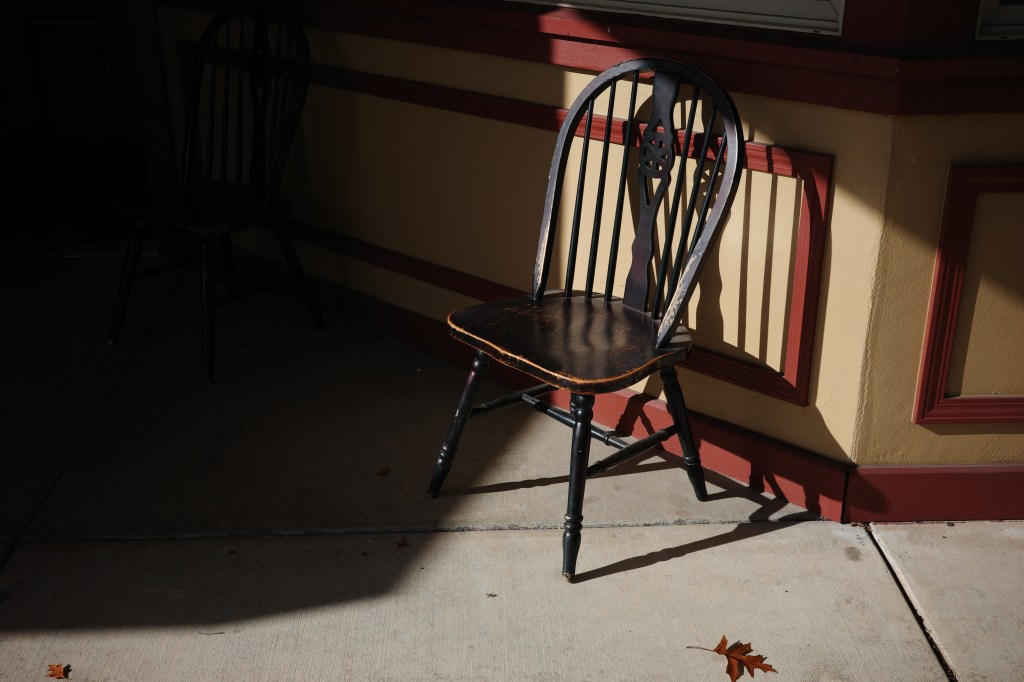
Well, the GR designers managed to nail down optical excellence while barely changing the size of the lens at all compared to the different focal length of the GR III. This lens is amazing. It’s got some sharpness or microcontrast magic over the 18.3mm version, which I first noticed when setting up my GR III settings in the IIIx’s JPEG engine. Previously I used the “clarity” feature regularly in the Positive Film mode, and always noted that it was quite subtle and useful, unlike the similar sliders in editing apps, which get overpowering quickly. Well, I was surprised to see a couple notches of clarity added to GR IIIx files looked a little bit “fake.” I pondered why, and the reason is simple: the clarity is already there in the lens. There’s such a clearly defined sharpness and differentiation of colors and tones that there’s nothing really to be added by the clarity setting unless you’re specifically going after that look. I consider that a pretty good indicator that this lens is special.
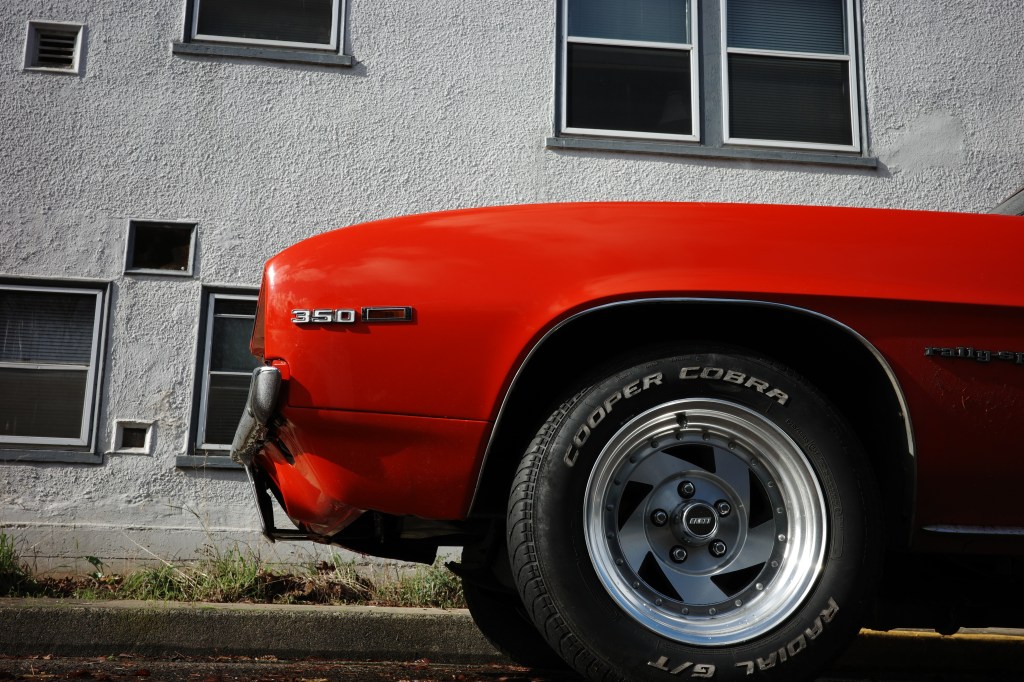
In the previous post about this camera, I called the 40mm focal length “cerebral.” That means that it’s a straight line from your brain to the final image – your viewer sees what you saw. Unlike the 28mm, which makes you work around its distinctive characteristics, the 40mm doesn’t really interpret anything. It’s the quintessential non-egoist. It’s all about dispassionate, equitable representation of what’s in the scene. That’s a good thing! But it also means that you have to do some work, with what you see.
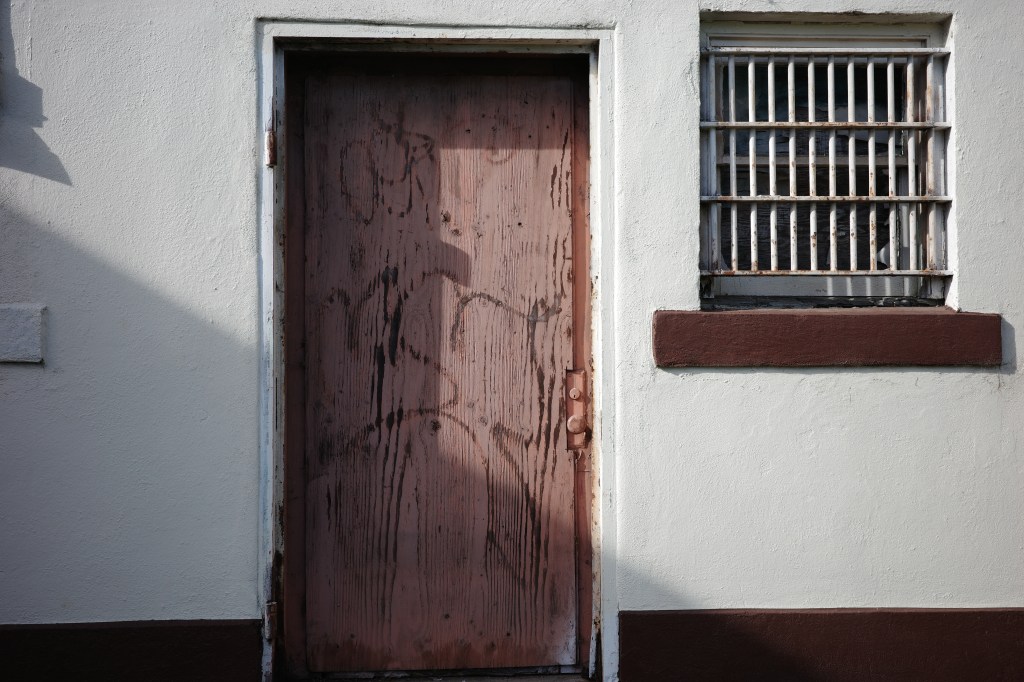
I feel that this feature of the focal length makes the GR IIIx just a bit more true to its mission statement even than the 28mm versions which have, well, nearly exclusively defined the camera line up till now. By mission statement I mean the perfect, laser-focused snapshot camera, the one you take with you everywhere and use to quickly capture life unfolding before your eyes. You can make a case that 28mm also serves this purpose; better than a 50mm or longer, or a 24mm or wider. It is better for getting vistas, that’s for sure. But for just featuring life without having to get into hardcore photographer-mode, 40mm is perfect. It captures a central human subject (or subjects) while getting just enough of the peripheral setting to make the image work better than a 50mm.
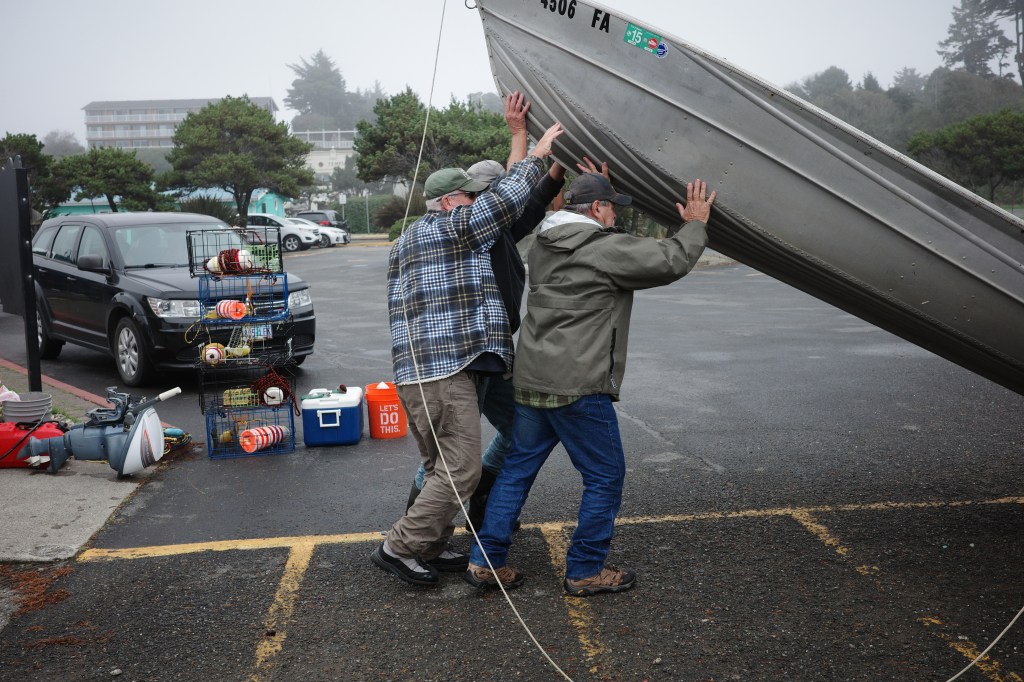
The rest of the feature-set of the GR still applies: lightning-fast, one-handed operation, ability to fit into all sorts of pockets, doesn’t turn heads when used on the street. The sum of those parts in the GR III is a camera that beats your smartphone because it has better image quality, and is easier to control. But now, with the GR IIIx, it also beats your smartphone because the field of view of the lens offers a perspective that is unlike your phone’s camera.
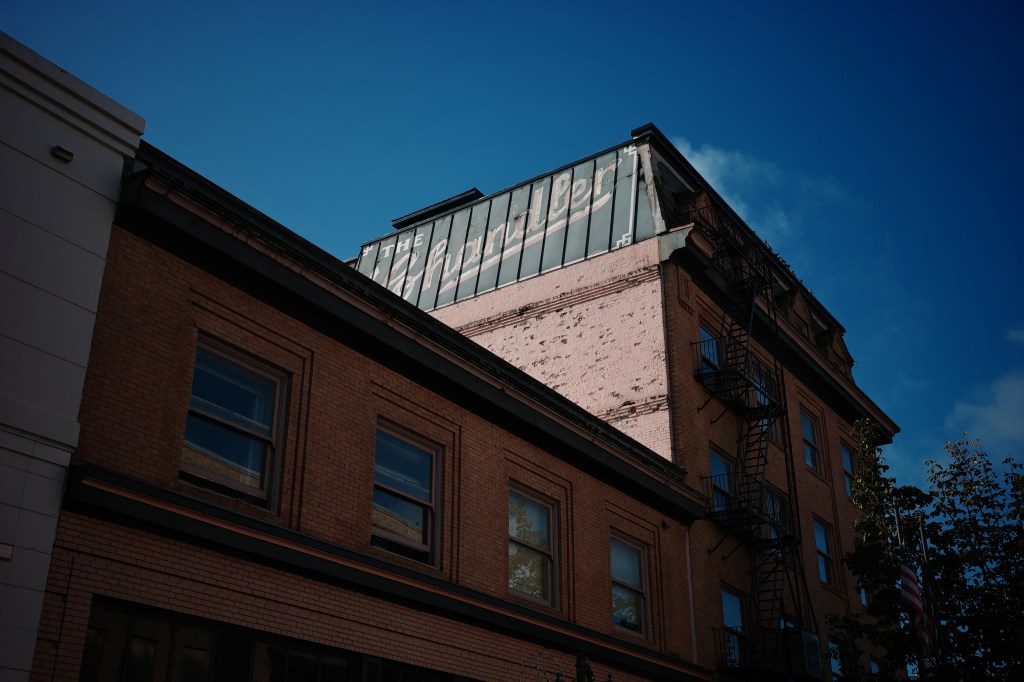
40mm is an enduring classic for the compact camera. Many, many cameras in the 1960s and ’70s were made with this focal length or very close to it. They were usually smaller, fixed-lens affairs with lens apertures of f2.8 or sometimes brighter, either scale- or rangefinder-focused. Most produced quite high-quality photographs, while costing considerably less than the full-fledged rangefinder or SLR systems of the time. Some of the most famous 40mm fixed-lens cameras include the Rollei 35, the Minolta Hi-Matic “lettered” versions of 1969 and onwards, the Konica C35 (38mm lens) and Auto S3, many of the Canon Canonets, and on and on. Some of photographer Stephen Shore’s early work was taken with the scale-focus Rollei 35 and its 40mm f2.8 or f3.5 lens.
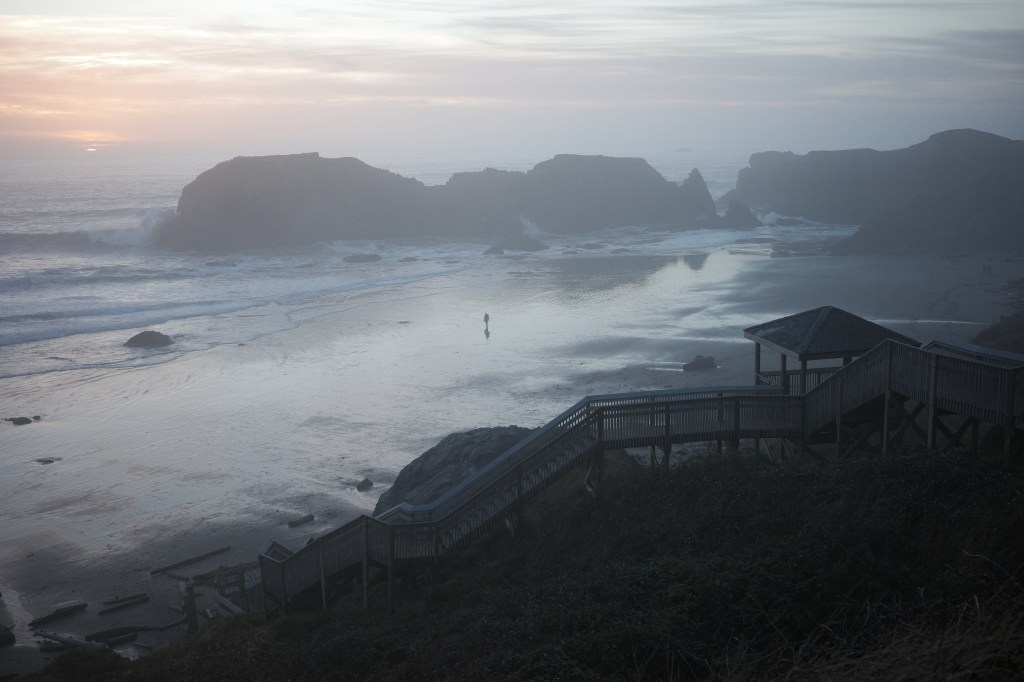
In more recent history, the idea of a compact fixed around 40mm fell out of favor, in the general trend towards wider lenses. I believe the line of thinking was that if the camera was aimed at the middle to lower end of the market (as most fixed lens models were), the photographer was probably more concerned with general snapshooting and had a deadly aversion to missing part of the subject by not being able to fit it into the frame. So 35mm lenses became much more common as cameras progressed through the 1990s and eventually into the digital revolution. The original Ricoh GR, in 28mm, appeared towards the end of the ’90s, and could be seen as a higher-end snapshooter’s camera, further emphasizing the trend towards wider angles. Apparently, where snapshooters were concerned, having your main subject appear small and in the middle part of the frame was a better tradeoff than risking cutting it off at the edges of the frame with a longer fixed lens.

But if you want to be particular, 40mm was what the snapshooter saw through their viewfinder for much of the late ’60s through the ’70s. Personally, I like to think this gives the focal length a bit of a particular aesthetic, and looking through Stephen Shore’s American Surfaces backs that up. In a world that feels a bit like an involuntary return to the turbulent 1970s, perhaps the Ricoh GR IIIx is the camera for the times.

 The Sprocket Docket
Loved your thoughts on this! Beautiful images. I found your point about other 40mm equivalent or similar cameras from days past, and that it may have a certain aesthetic, especially over a more dominant wider angle era we love in now (perhaps mostly because of smartphones). Not that wide is wrong in anyway, but it’s just interesting thinking that more photographs than ever before are being produced with wider focal lengths, and what that does to the way we document, photograph, and remember things.
LikeLike
Pleased to read this – I have been considering trading-in one of my Olympus OMD EM10’s and some lenses on a Ricoh GR3x. I also need to find out more about other options, if they exist. Most of the reviews/impressions I have seen on YouTube and elsewhere online emphasise a singular identity for the Ricoh GR3x. I want and need it to be more than a ‘street’ scene/subject recorder for stealthy snap-sneaks.
Take care,
Rob.
LikeLike
I’ve owned a GRII for a long time with the much celebrated Postive Film mode but I’ve never really clicked with the colors. However, the shots you showcase here with the GRIIIx look amazing to me. I don’t know if it’s the camera or lens or something that you are doing in post but for whatever reason the clarity and colors look great. There was a harshness to the GRII and a brashness to the colors that never really worked for me, although everyone else seemed enamored by the GRII and it’s positive film mode in particular. Nice work.
LikeLike
Hey, thank you for the kind words! I know what you mean. The GRII gets lauded for it’s “filmlike” quality, particularly of the Positive Film profile. While I do like this profile on the GRII, I think people tend to forget that this saturated film look was considered garish by many photographers early on. When photographers like Saul Leiter were working in color, most serious photographers were shooting B&W and did not like what they saw from Kodachrome. Times and sensitivities change, but you can still pick out the sort of unsubtleness of Kodachrome and all the digital emulations which attempt to recapture its look.
What I’ll say about the Positive Film look from the GRIII/GRIIIx is that it benefits from the redesigned sensor. This camera inherits a lot more of the Pentax mentality of deep, vivid and rich colors. I shot with a Pentax KP at the time I first picked up a GRIII, and I was struck by how similar the sensor output is. I think they are nearly identical. The look includes “depth” in the shadows, lots of detail captured there, whereas the GRII had a stronger tone curve and shadows blocked up much quicker. Combine that shadow depth with slightly more subtle and authentic color rendering, and it’s a great look. Plus there’s a lot more customization available in each of the JPEG profiles with this camera.
LikeLike
My GRiii is not happy your review has convinced me to get a iiix, I have Canon and Nikon full frame cameras with 40mm lenses, my favourite focal length so the iiix would be perfect for me, thanks.
LikeLike
But I think your GRIII would be happy to have a sibling… unless you have to sell it to help finance the IIIx, which is what I did. I’ve really enjoyed the IIIx, it is a slightly different beast than the GRIII (shallower DoF, harder to shoot from the hip) but the image quality is wonderful.
LikeLike
Love that Camaro shot.
LikeLike